THE BEST TIME TO VISIT TANZANIA
Planning a safari in Tanzania can be an unforgettable adventure if you take to considerations the Frozen Summit Expeditions guidelines to ensure that your tour become one of a kind.
1. Best Time to Visit
Dry Season (June to October):
This is the best time for wildlife viewing as animals gather around water sources. The weather is cooler and there are almost no mosquitoes especially during this coolest times. However, the hotels, lodges and camps are very considerate and have safe and cosy accommodation from any infectious bites throughout the seasons.
Wet Season (November to May):
Perfect time for an ideal Safari for bird watching and lush landscapes drive for beautiful sceneries viewing. It’s also the best time for the Tanzania Calving Season in the Serengeti (January to February).
2. Major Safari Destinations
Serengeti National Park:
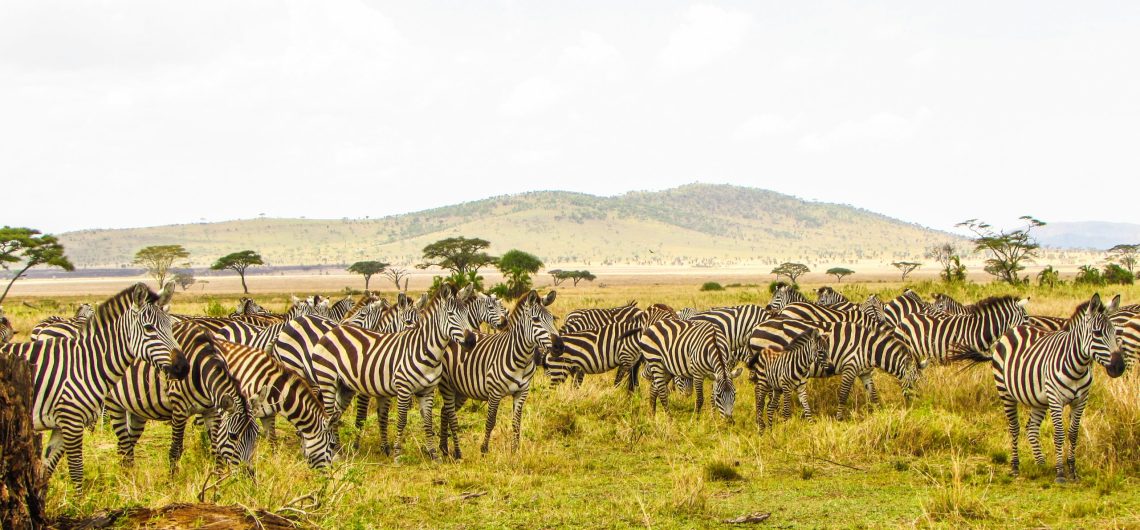
Known for the Great Migration, where millions of wildlife including Wildebeest and Zebras migrate in search of greener pastures and safe custodies for calving. The Serengeti National Park is Tanzania largest and best-known national park with a massive concentration of migratory animals who moves around the park searching for the greener pastures for the availability of food and suitable calving grounds. The Serengeti National Park is Tanzania is marked the oldest and the most popular National Park, also a world heritage and one of the best wildlife sanctuary site and recently proclaimed a 7th world wide wonder by UNESCO.
Serengeti is famous for its annual migration. This offers arguably the most scintillating game-viewing in Africa and beyond. The Park is believed to hold the largest population of lions in Africa due to the abundance of prey species. The park also supports many further species that you will be able to take a big photographic advantage of, including Cheetah, Thomson Gazelles and Grant Gazelle, Topi, Eland, Water Buck, Hyena, Baboon, Impala, African Wild Dogs, Elephants and Giraffes giving birth, grazing, hunting and fighting on the spot. Over 500 bird species are recorded here available to witness throughout the seasons.
Ngorongoro Crater:
The Ngorongoro Crater is a World Heritage site nominated by the UNESCO with diverse wildlife including the Big Five (lion, leopard, rhinoceros, elephant, and buffalo). The calving season in Tanzania, which is a key part of the Great Migration, typically occurs from January to March. During this time, the Wildebeest, along with Zebras and Gazelles, gather in the Southern Serengeti and the Ngorongoro Conservation Area Authority (NCAA) to give birth to their young.
Tarangire National Park:
Famous for large herds of elephants and baobab trees.
Lake Manyara National Park:
The park is renowned for its elusive tree climbing lions and diverse bird life with a swarm of Flamingos floating around the lake.
3. Types of Safaris
Game Drives: The most common type, usually in 4×4 vehicles with a guide.
Walking Safaris: Offers a more intimate experience with nature, usually accompanied by an armed ranger.
Balloon Safaris: Provides a unique aerial perspective, especially popular in the Serengeti.
4. Accommodation Options
- Luxury Lodges and Tented Camps: Offer high comfort levels, often with amenities like swimming pools and gourmet dining.
- Mid-Range Lodges and Camps: Provide a good balance of comfort and affordability.
- Budget Camping: Basic facilities, usually involving staying in tents and shared amenities.
5. Health and Safety
- Vaccinations: Ensure you’re up to date on vaccinations, including Yellow Fever if traveling from an endemic area.
- Malaria Prevention: Tanzania is a malaria-endemic area; consult with a doctor about prophylactic medication and use insect repellent.
- Travel Insurance: Comprehensive travel insurance is essential, covering medical emergencies, trip cancellations, and lost belongings.
6. Packing Essentials
- Clothing: Lightweight, breathable fabrics in neutral colors. Layers for varying temperatures and a good hat for sun protection.
- Footwear: Comfortable, sturdy walking shoes or hiking boots.
- Accessories: Binoculars, camera with extra batteries and memory cards, sunscreen, and a good-quality insect repellent.
7. Cultural Considerations
- Respect Local Customs: Tanzania has a rich cultural heritage. Be respectful of local customs and traditions.
- Language: Swahili is the official language, though English is widely spoken in tourist areas. Learning a few basic Swahili phrases can enhance your experience.
8. Logistics
- Visas: Most travellers require a visa to enter Tanzania. Check the specific requirements for your country.
- Local Currency: The Tanzanian Shilling (TZS) is the local currency. Credit cards are accepted in many places, but it’s advisable to carry some cash for remote areas.
9. Ethical Considerations
- Wildlife Conservation: Choose operators that follow ethical practices and support conservation efforts.
- Community Support: Consider tours and lodges that give back to local communities.
By considering these aspects, you can plan a safari that is not only memorable but also safe and respectful to both the environment and local cultures.

Comments